
Big goals often sound inspiring, but translating them into consistent action is where most people stall.
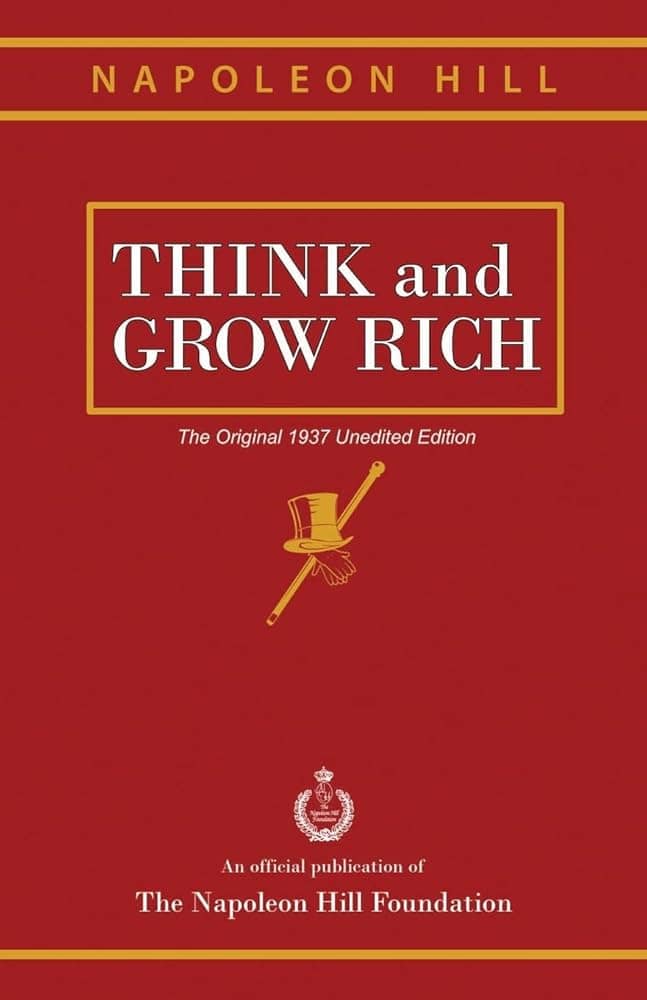
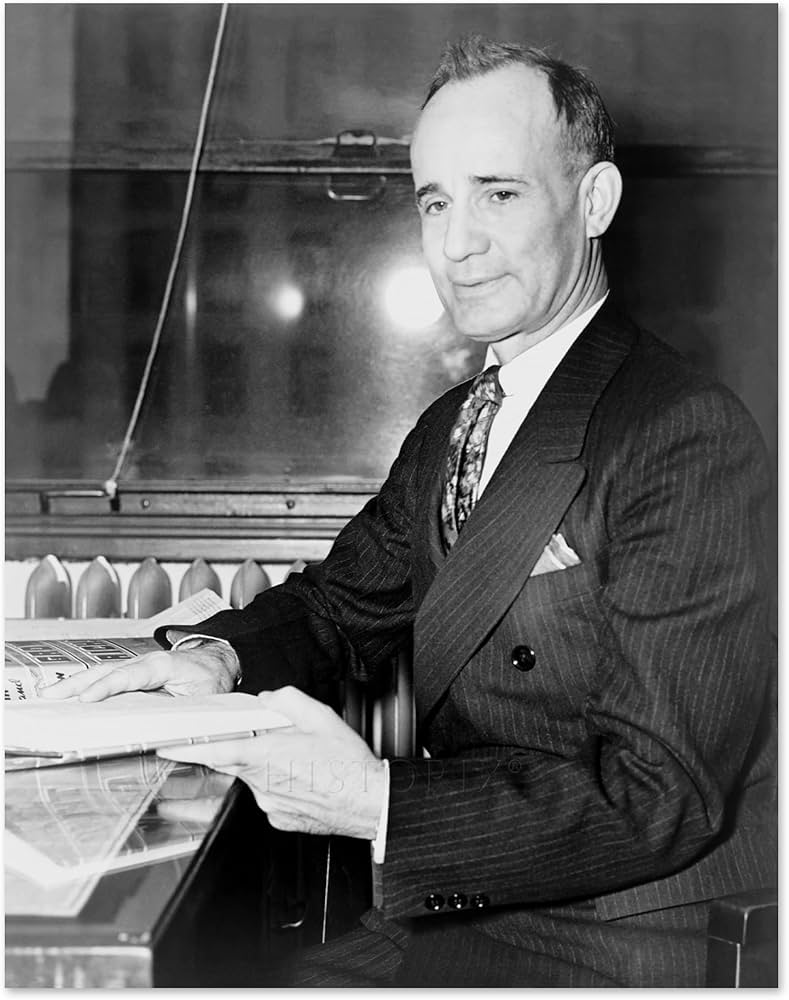
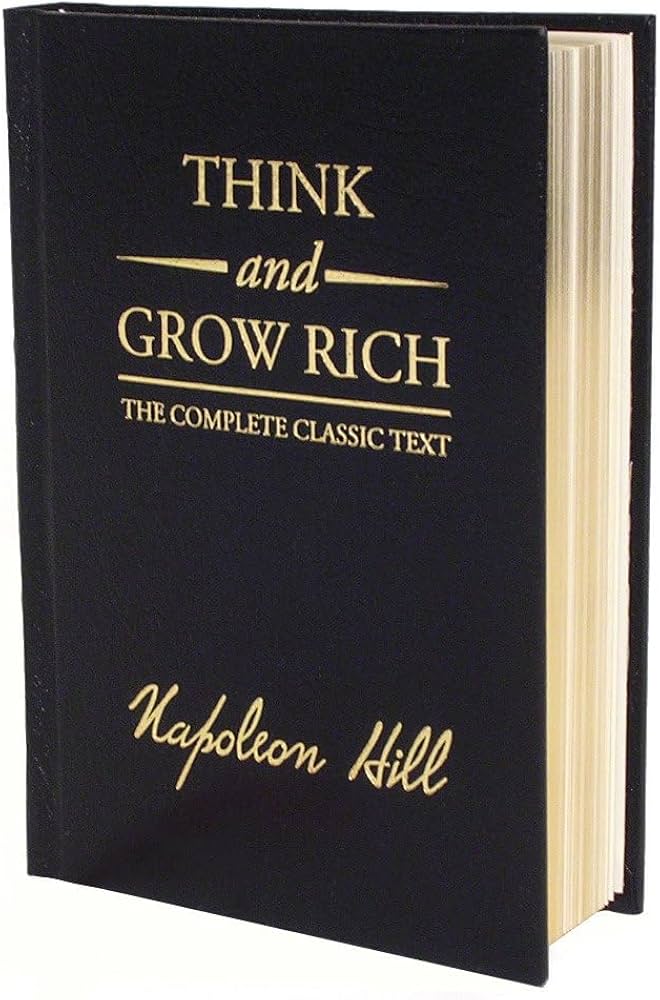
That is exactly why many readers go looking for a Think And Grow Rich Book Analysis, and why Napoleon Hill Think and Grow Rich still gets discussed almost a century after it was published.
Hill ties thoughts, desire, faith, and disciplined action to results, and he builds his famous 13 success principles around interviews with business leaders and well-known innovators.
This page walks through the core ideas, then shows how Rich Parrot translates them into practical, modern systems that fit real life.
Key Takeaways
- Think and Grow Rich (first published in 1937) presents a 13-part framework that links thought, belief, and structured action, and this Think and Grow Rich summary focuses on how to apply it without hype.
- The 13 principles include Desire, Faith, Auto-Suggestion, Specialized Knowledge, Imagination, Organized Planning, Decision, Persistence, Mastermind, Sex Transmutation, Subconscious Mind, Brain, and Sixth Sense.
- Rich Parrot’s angle emphasizes systems: writing goals, building routines, tracking behaviors, and running reviews, so the “mental” ideas show up as real-world action.
- The most common failure points are still the same ones Hill warned about: fear, indecision, and dropping effort right after a setback.
- The lasting value is not a promise of outcomes, it is a repeatable approach to personal development, goal achievement, and long-term thinking.
Overview of Napoleon Hill Think and Grow Rich (Book Overview)
Think and Grow Rich is often described as a personal success philosophy written for readers who want a clear, usable method, not just motivation. In the original structure, the book lays out what Hill called the 13 principles of success, and it treats “rich” as more than money, including purpose in life, achievement, and self-mastery.
A practical way to read this Think and Grow Rich book overview is to treat it like a system with two layers:
- Mindset inputs: thoughts, beliefs, emotions, and attention.
- Execution outputs: decisions, planning, persistence, and collaboration.
Rich Parrot’s interpretation leans hard into the execution layer. The emphasis stays on organized planning, decision making, project management, and habit-building so the principles show up in calendar time, completed tasks, and measurable progress.
For the reader, the best payoff usually comes from choosing one principle to practice for a few weeks, then adding the next. That approach keeps the ideas grounded in reality rather than turning into an abstract “mindset project.”
Historical Context and Inspiration Behind the Book
Hill published Think and Grow Rich in 1937, in the shadow of the Great Depression, and he framed it as a distillation of interviews and long-form observation of high performers. In the same historical thread, Hill claimed inspiration from Andrew Carnegie, while later summaries note that historians have questioned whether that connection happened as described.
That context matters because it explains the book’s tone. Hill was writing to people who needed hope, but also needed a method sturdy enough to survive setbacks, layoffs, and slow progress.
Readers will also notice an important detail that many modern summaries skip: the book is commonly credited to Napoleon Hill, but some records list Rosa Lee Beeland as a credited contributor and co-author. That does not change the principles, but it does change how a careful reader thinks about authorship and how the manuscript came together.
Whatever the mind can conceive and believe, it can achieve.
The most useful way to hold the history is balanced: treat the principles as a toolbox, and treat the stories as illustrations that may blend fact, salesmanship, and the self-help style of the era.
Hill’s ideas also overlap with New Thought language and concepts such as the law of attraction, but the book repeatedly returns to discipline, long-term thinking, and personal responsibility.
The Core Philosophy of Think and Grow Rich
Hill’s Think and Grow Rich philosophy centers on a simple claim: thoughts shape beliefs, beliefs shape decisions, and decisions shape behavior over time. In other words, mindset is not a mood, it is an input to a system.
What makes the philosophy workable is that Hill treats “faith” and “desire” as fuel, but he treats planning and persistence as the engine. Without the engine, the fuel does not go anywhere.
Modern psychology backs up a big part of this “thought to action” bridge: a 2006 research meta-analysis by Peter Gollwitzer and Paschal Sheeran found that “if-then” planning (implementation intentions) improves goal attainment with a medium-to-large effect size, and a University College London study published in 2009 found habit automaticity averaged about 66 days, with a wide range depending on the behavior.
That evidence gives the reader a clear way to translate Hill’s ideas into practice:
- Turn desire into a statement: define the goal in one sentence that a calendar and a budget could understand.
- Turn faith into a plan: write an “if-then” response for the predictable obstacles (fatigue, stress, busy weeks).
- Turn repetition into habit: keep the behavior small enough to repeat for weeks, not days.
When this is done well,
“Positive thinking” stops being a vague concept and becomes a repeatable process tied to attention, reason, and follow-through.
The 13 Principles of Success Explained
This Think and Grow Rich explained section keeps Hill’s original 13 principles, but it also shows how Rich Parrot tends to operationalize them. The goal is not to memorize the list, it is to build a system where the principles show up as behavior.
Before the deeper breakdown, this quick map helps the reader connect each principle to one practical action and one simple metric.
| Principle | Modern action | Simple way to measure it |
|---|---|---|
| Desire | Write a single target outcome and a deadline. | Goal statement exists and is reviewed daily. |
| Faith | Rehearse the plan, not just the outcome. | Weekly proof list (wins, lessons, next steps). |
| Auto-Suggestion | Use short, repeated self-talk tied to action. | Statement read twice daily for 30 days. |
| Specialized Knowledge | Pick one skill that directly advances the goal. | Hours practiced per week. |
| Imagination | Generate options before committing to one plan. | Three solutions written before choosing. |
| Organized Planning | Turn the goal into tasks with due dates. | Next 7 days scheduled. |
| Decision | Choose a direction, then set a review date. | Decision logged with a revisit date. |
| Persistence | Define the minimum effort on bad days. | Streak of minimum daily actions. |
| Mastermind | Meet regularly with accountability and feedback. | Meeting cadence and action items completed. |
| Sex Transmutation | Redirect high emotion into focused creation. | Deep-work sessions per week. |
| Subconscious Mind | Control inputs (reading, audio, environment). | Daily input checklist completed. |
| Brain | Capture ideas fast, then prioritize later. | Weekly idea review and sorting done. |
| Sixth Sense | Use intuition after real preparation and data. | Post-decision review notes (what was noticed). |
Desire: The Foundation of Achievement
Hill lists desire first for a reason. A vague wish does not organize behavior, but a specific desire can. In practice, Rich Parrot’s approach turns desire into a written outcome, a deadline, and the first small action that can happen this week.
A useful guardrail is to write the desire so it can be tested: “What will be true in 90 days that is not true today?” That phrasing forces clarity and keeps the goal-oriented mindset grounded in reality.
Faith: Building Belief in Your Vision
Hill’s “faith” reads like belief, but it functions like self-confidence under pressure. It is easiest to build faith through evidence: small wins, repeated practice, and proof that the system works even on ordinary days.
One practical habit is a weekly proof list. It is short: what worked, what did not, and what to do next. Over time, that becomes a record that calms fear and skepticism.
Auto-Suggestion: Programming the Subconscious Mind
Autosuggestion is structured repetition. Hill’s point is not to chant slogans, it is to repeat the right ideas often enough that they become default thoughts.
To keep it practical, the best autosuggestion statements point to behavior: “Today, I take the next step,” or “If they feel resistance, they will do 10 minutes anyway.” This keeps positive thinking connected to action, not fantasy.
Specialized Knowledge: The Value of Expertise
Hill separates specialized knowledge from general education. The reader does not need to know everything, they need to know what moves the goal forward.
In the US, one high-leverage way to build specialized knowledge quickly is to use structured support. Small Business Development Centers and SCORE mentors, both supported through the U.S. Small Business Administration network, can help a business owner pressure-test a plan, improve operations, and fill knowledge gaps without guessing.
Imagination: Creating Solutions and Opportunities
Hill calls imagination the workshop of the mind, and he splits it into synthetic imagination (rearranging existing ideas) and creative imagination (generating new ones). Both matter because organized planning works better when the plan starts with options, not a single fragile path.
A simple exercise is “three paths.” The reader writes three possible strategies, even if two feel unrealistic. That reduces mental rigidity and improves creativity under stress.
Organized Planning: Transforming Goals into Action
Organized planning is where Hill becomes most “systems-friendly.” It is the translation layer between desire and results.
Rich Parrot’s modern interpretation usually looks like basic project management: a short list of tasks, clear owners (even if that owner is the reader), due dates, and a weekly review. This is also where analytics and research methodology help, as plans improve when tested against evidence.
Decision: Overcoming Indecision and Doubt
Hill frames decision as a skill, not a personality trait. Indecision often shows up when the reader tries to decide perfectly, instead of deciding clearly and reviewing on a set schedule.
A practical pattern is “decide, then review.” The decision gets made today. The review date gets scheduled. That keeps willpower focused on execution rather than endless reconsideration.
Persistence: The Key to Sustained Effort
Persistence is not nonstop intensity. It is the ability to keep going at a sustainable pace, especially when motivation dips.
The most effective persistence strategies are specific: define a minimum daily action, track it, and protect it when life gets noisy. Over time, the reader builds the long-term habits Hill talks about, without treating every day like a crisis.
The Mastermind Group: Harnessing Collective Intelligence
Hill’s mastermind idea is simple: two or more people cooperate, share knowledge, and keep each other accountable. In modern terms, it is peer feedback plus shared standards.
To make it work, a mastermind meeting needs structure. A tight agenda usually beats a long conversation:
- Wins and numbers (5 minutes)
- One problem per person (10 minutes each)
- Commitments for the next week (5 minutes)
- Calendar check and next meeting time (2 minutes)
Transmutation of Sexual Energy: Redirecting Creative Power
Hill’s language can sound strange to modern readers, but the practical idea is easier: strong emotion is energy, and energy can be redirected into creation. The book is not offering literal instruction; it is describing channeling intensity into ambition, focused work, and long-term projects.
This is also where mindfulness helps. When the reader notices emotion early, they can convert it into action before it turns into a distraction.
The Subconscious Mind: Channeling Thoughts into Results
Hill treats the subconscious mind as a storehouse. Whatever gets repeated, mixed with emotion, tends to shape behavior.
A practical approach is to manage inputs: what the reader reads, listens to, and discusses. This is less about avoiding reality and more about keeping attention and attitudes aligned with the plan.
The Brain: A Broadcasting and Receiving Station for Ideas
Hill describes the brain as a kind of receiver and sender of ideas. Modern readers can interpret this as a reminder to capture ideas quickly and build strong communication habits with the right people.
A simple system is capture now, decide later. Ideas go into a notebook or a list. Decisions happen during a weekly review, when the reader can apply reason instead of impulse.
The Sixth Sense: Intuition and Creative Insight
Hill’s sixth sense is intuition, but in the book, it shows up after the other principles have been practiced. In other words, intuition becomes more reliable after preparation, experience, and repeated planning.
In practical terms, the reader can treat intuition as a signal. It is worth listening to, then verifying with evidence, and then acting with a clear decision.
A quick note on fear (Hill’s “six ghosts”)
Although not listed as one of the 13 steps, Hill closes the book by warning about fear and naming six common patterns that can derail action:
- Fear of poverty
- Fear of criticism
- Fear of ill health
- Fear of loss of love
- Fear of old age
- Fear of death
For the reader, the value of this list is diagnostic. If a plan keeps stalling, the problem is often not knowledge; it is a fear pattern that needs a smaller next step and a clearer decision.
Practical Application of Hill’s Ideas in Modern Life
Rich Parrot applies Hill’s principles through disciplined routines and clear plans. The modern focus is consistent: convert desire into tasks, run reviews, and use accountability so motivation does not carry the whole load.
To make organized planning real, many people use simple tools they will actually keep using. Trello, for example, highlights features like boards, due dates, checklists, and calendar-style views that help turn goals into visible work.
Here is a straightforward way to operationalize the principles without overcomplicating the system:
- Weekly planning (15 to 30 minutes): choose the next 3 to 5 actions that move the goal.
- Daily execution (10 minutes to start): do the first step before negotiating with emotions.
- Weekly review (15 minutes): check what was done, what was avoided, and what needs a decision.
- Monthly reset (30 minutes): adjust the plan, not the purpose.
If the reader wants one practical upgrade, a mastermind cadence helps. A weekly meeting creates a rhythm of commitments, follow-through, and feedback that strengthens persistence.
| Planning option | Best for | Common pitfall |
|---|---|---|
| Trello boards and cards | Visual project management, due dates, and checklists | Over-organizing instead of completing tasks |
| A simple spreadsheet (weekly tracker) | Habit tracking, investing routines, and personal KPIs | Tracking too many metrics to maintain |
| Paper notebook plus calendar | Fast capture, fewer distractions, simple daily plans | Tasks get written down but not scheduled |
The key is not the tool. The key is the review habit that keeps attention on what matters, and keeps progress steady when motivation fades.
Lasting Impact of Think and Grow Rich on Personal Development
Think and Grow Rich helped shape modern self-help language around mindset, self-confidence, goal-setting, and the human mind. Even readers who disagree with Hill’s framing still borrow the practical pieces, like definite purpose, organized planning, and the mastermind group.
It also sparked an ongoing debate. Some stories and claims around Hill’s life and inspirations have been challenged over time, and that criticism is worth taking seriously. The book is most useful when the reader focuses on what can be tested: habits, decisions, and consistent action.
In modern personal development, Hill’s impact shows up in three places that continue to work across careers:
- Systems over motivation: routines and reviews that keep progress moving.
- Skill and knowledge building: specialized knowledge over vague ambition.
- Collective problem solving: mastermind-style feedback to sharpen strategy.
For an independent investor and systems-oriented reader, the most durable lesson is this: mindset matters, but results usually follow the boring work, the scheduled work, and the reviewed work.
Conclusion: The Timeless Relevance of Hill’s Principles
Rich Parrot frames Hill’s ideas with modern tools like self-talk, weekly reviews, and organized planning.
This Think and Grow Rich summary shows why Napoleon Hill Think and Grow Rich still holds attention: desire and faith start the process, but decisions, planning, and persistence carry it across months and years.
When the reader treats the principles as a system they can test, not a promise they can wait on, the book becomes a practical framework for long-term personal development and goal achievement.
FAQs
Is Think and Grow Rich still relevant today?
Yes — but not as a promise of outcomes. Think and Grow Rich remains relevant because it focuses on how people think, decide, and persist over time, not on tactics tied to a specific era.
The principles work best when interpreted as a behavioral system: clear goals, structured planning, repeated action, and review. When stripped of outdated language and applied with modern tools, many of the ideas translate well to contemporary work, investing, and personal development.
Does the book guarantee wealth or success?
No. The book does not guarantee wealth, and it is best read without that expectation.
Hill’s framework describes conditions that tend to support achievement — clarity of purpose, persistence, decision-making, and collaboration — but outcomes still depend on context, skill, timing, and execution.
Readers get the most value when they treat the principles as inputs they can control, not results they are owed.
What are the main criticisms of Think and Grow Rich?
The most common criticisms focus on:
– Questionable historical claims, including Hill’s accounts of certain interviews
– Vague or metaphysical language, especially around the subconscious and “sixth sense.”
– A tendency for some readers to interpret the book as “positive thinking alone creates results”
These criticisms are valid. The book becomes more useful when readers focus on what can be tested: planning habits, decision discipline, persistence, and structured collaboration.
How should modern readers approach concepts like faith, autosuggestion, and the subconscious?
Modern readers can interpret these concepts pragmatically:
– Faith as confidence built through evidence and repetition
– Autosuggestion as structured self-talk tied to action
– The subconscious as habits formed through repeated inputs and behaviors
Viewed this way, the ideas align with modern research on habit formation, planning, and behavioral psychology — without requiring belief in mystical explanations.
What is the best way to apply the 13 principles in real life?
The most effective approach is incremental and practical:
– Start with one principle (usually Desire or Organized Planning)
– Convert it into a written goal, a short plan, and a small weekly action
– Review progress regularly instead of relying on motivation
– Add additional principles only after the first is working in practice
This turns the book from an abstract philosophy into a repeatable system.
Who benefits most from reading Think and Grow Rich?
The book tends to resonate most with readers who:
– Are willing to reflect and experiment
– Prefer long-term thinking over shortcuts
– Want structure, not hype
– Are building projects, careers, or investment habits over years rather than months
It is less useful for readers looking for fast tactics or guaranteed results.
How does Rich Parrot interpret Think and Grow Rich differently?
Rich Parrot treats the book as a framework, not a formula.
The focus is on:
– Converting principles into routines
– Using planning, reviews, and accountability
– Measuring behaviors instead of outcomes
– Removing hype while keeping what works
The goal is not belief — it is consistent execution over time.